Mia Capodilupo:
Disease, Sci-Fi, and Invasion
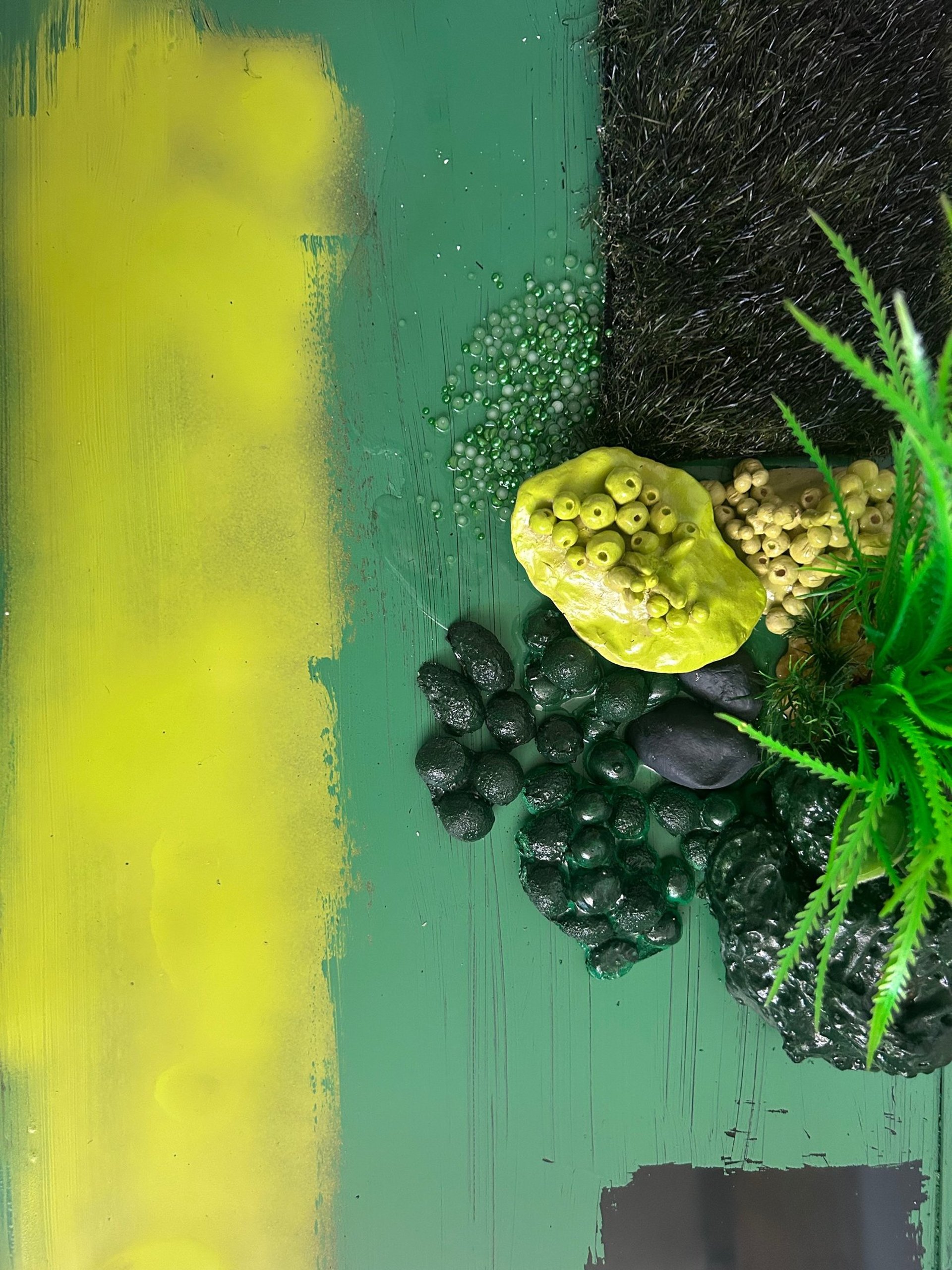
For her July 2026 MIAR exhibition, Hybrid Infestation, Mia Capodilupo draws on science fiction, disease, pandemics, and climate change to create an immersive art experience. Using found objects, material casts, and more, the installation spreads a landscape of texture into every corner of our MIAR Gallery, evoking an invasive and evolving ecosystem.
Here, the artist joins NEW Gallery’s Alexandra Bishop in conversation to uncover the show’s themes and consider how it might impact visitors.
NEW GALLERY: Tell me all about the Hybrid Infestation MIAR exhibition. What are the central themes and how long have you been working on it?
MIA CAPODILUPO: I’ve been working on this body of work for a couple years now. There isn’t one sole image behind it, but instead it's based on landscapes and a visual hybridity of animals and plants. The works even contain actual animal teeth and bones, which I’ve cast to create new forms. I also use plants and mushrooms that I’ve collected and cast. The show is exploring things like disease, invasive species, the spread of unknown pathogens. But, I’m also using found objects from consumers which reflects my thinking about climate change.
NG: From your show summary and artist statement, I understand you have an interest in science fiction, but do you also have a science background related to this interest in pathogens? Or particular sci-fi stories or movies that you’re thinking about and referencing?
MC: I actually have a background in technology. I definitely love sci-fi and that is in here, but I also think about cancer a lot and that is present in the show. I haven’t personally experienced it, but my family’s experienced a lot of cancer. The show contains the idea of cancer spreading, suddenly growing out of control, but also making something unexpected with that fear, like what you would see in the Alien series or Star Wars — strange creatures from across the galaxy…
NG: Looking at your work, there is a quality of that whimsy or playful curiosity alongside darkness and grief. Can you talk about how these themes live together in the work?
MC: There are definitely elements of humor in the work alongside the darkness, and I think that is because of my personality. I like to enjoy creating. It's a very intuitive process for me. I’m often picking up found objects and putting them in the work. I often work in color, too, this series happens to be dark with a mostly black palette.
NG: With the found objects, is there something particular that draws you to objects you collect? Something about shape, size, color? What draws you to the things you collect and work with?
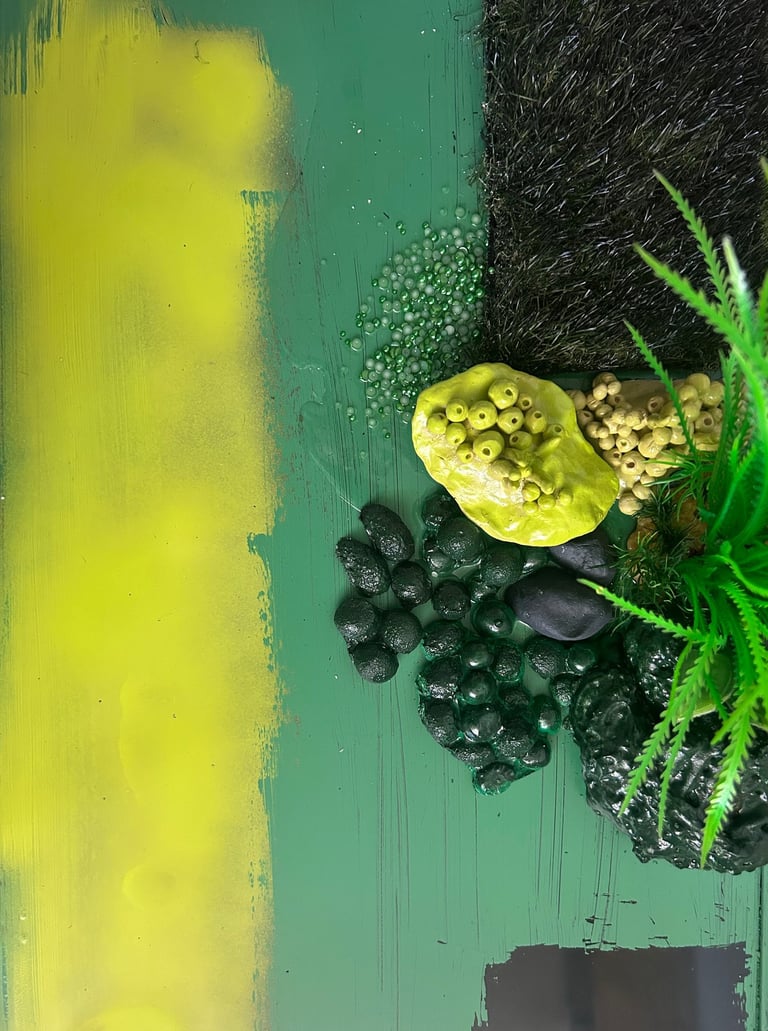
MC: Texture is a main component. I love a landscape of different textures next to each other: fabrics, wildlife, styrofoam, and brass. A lot of it has to do with urban legacy, the things that we discard and forget. I even did a whole series of work with tires.
NG: And with this show in particular, is there a texture, material, or even color palette that connects all of the works visually?
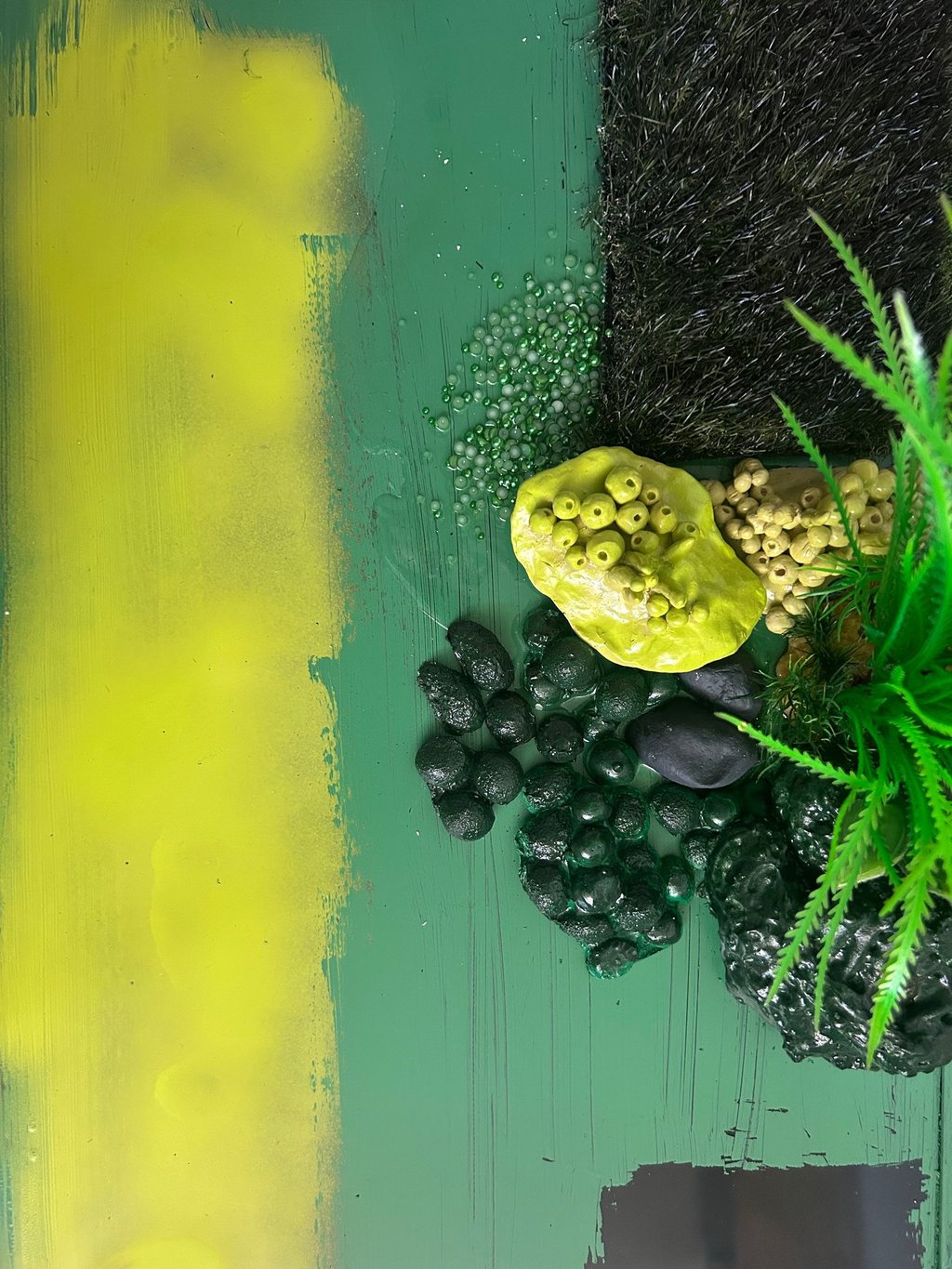
MC: Yes. The color palette is definitely a lot of black and green. I'm using a lot of fake grass, fabrics, objects and materials I cast in plaster and ceramic, including mushrooms. All together, the work will spread through the galleries on the floor and climb up the walls.
Visitors can expect to see the show crawling throughout the space, kind of taking over. I'm hoping people might not even realize it’s invading the space at first, then slowly it will start looking like an infestation.
NG: Thinking about this idea of pathogens, is the COVID-19 pandemic present in this exhibition? I know it's been a few years since we were at the peak of it, but did it inform this show’s growing, creeping, crawly, slowly invasive ecosystem?
MC: Yes. Because it was the first big pandemic that most of us experienced, I think probably everyone across society experienced a meaningful change during that time. It recharged society. Plus, it brought up the stories of other pandemics throughout history.
NG: Not to be too doom and gloom, but I think there is also a known fear now that it could happen at any time. Epidemiologists knew it was coming and were trying to prepare our infrastructures for it, but with COVID-19 it became known publicly that we’re always on the cusp of another pandemic.
MC: So true. And that beginning part was the scariest, because nobody really knew how it spread or who had it.
NG: And the particular installation of this series seems to create a physical manifestation of that, “surprise, it's in more places than you realize.”
MC: Yes, that's what I'm going for. By the time you detect it it is already everywhere.
"Texture is a main component. I love a landscape of different textures next to each other: fabrics, wildlife, styrofoam, and brass. A lot of it has to do with urban legacy, the things that we discard and forget."
NG: Is this a new approach to installation for you, or have other series been installed in this creepy-crawly way?
MC: I love working in installations. I get to use as much of the space as I can. For this show in particular, I'm trying to expand my use of form that spreads throughout the entire space. I’ve done this on a smaller scale, but this is the first time I’m installing work from floor to ceiling.
NG: What do you hope comes out of the show, either for yourself or for people who come to view it?
MC: Ultimately, this work is an expansion of some of the other pieces I've been creating. If it is “successful” it will make an impact on people. I hope they will leave and remember it in some way. You never know what people will gravitate towards, but I hope that they feel the impact of the work in the space and remember it after they leave.
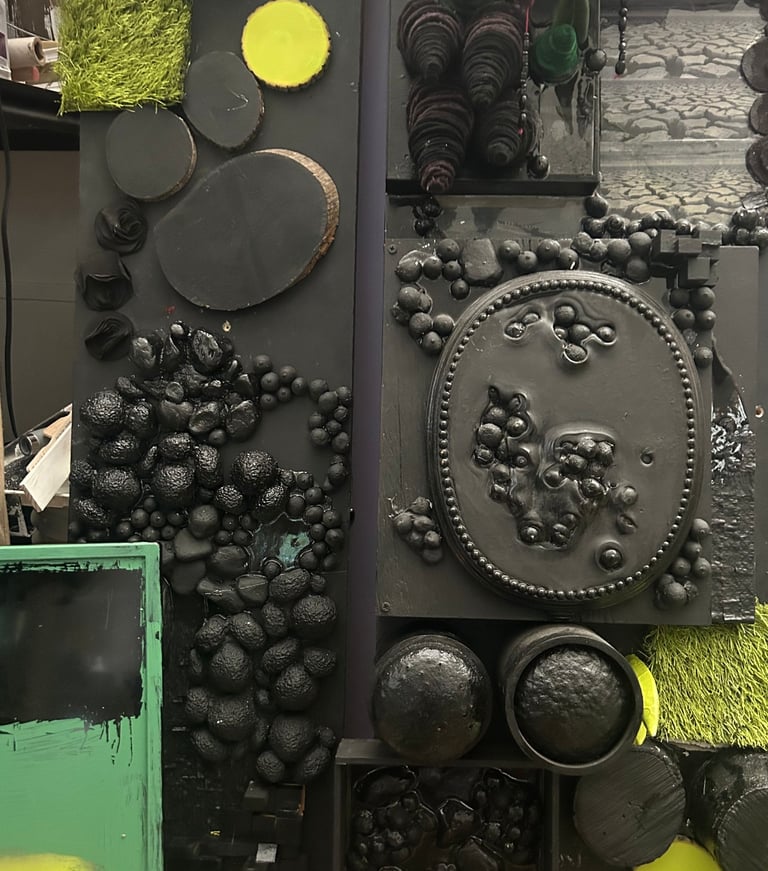
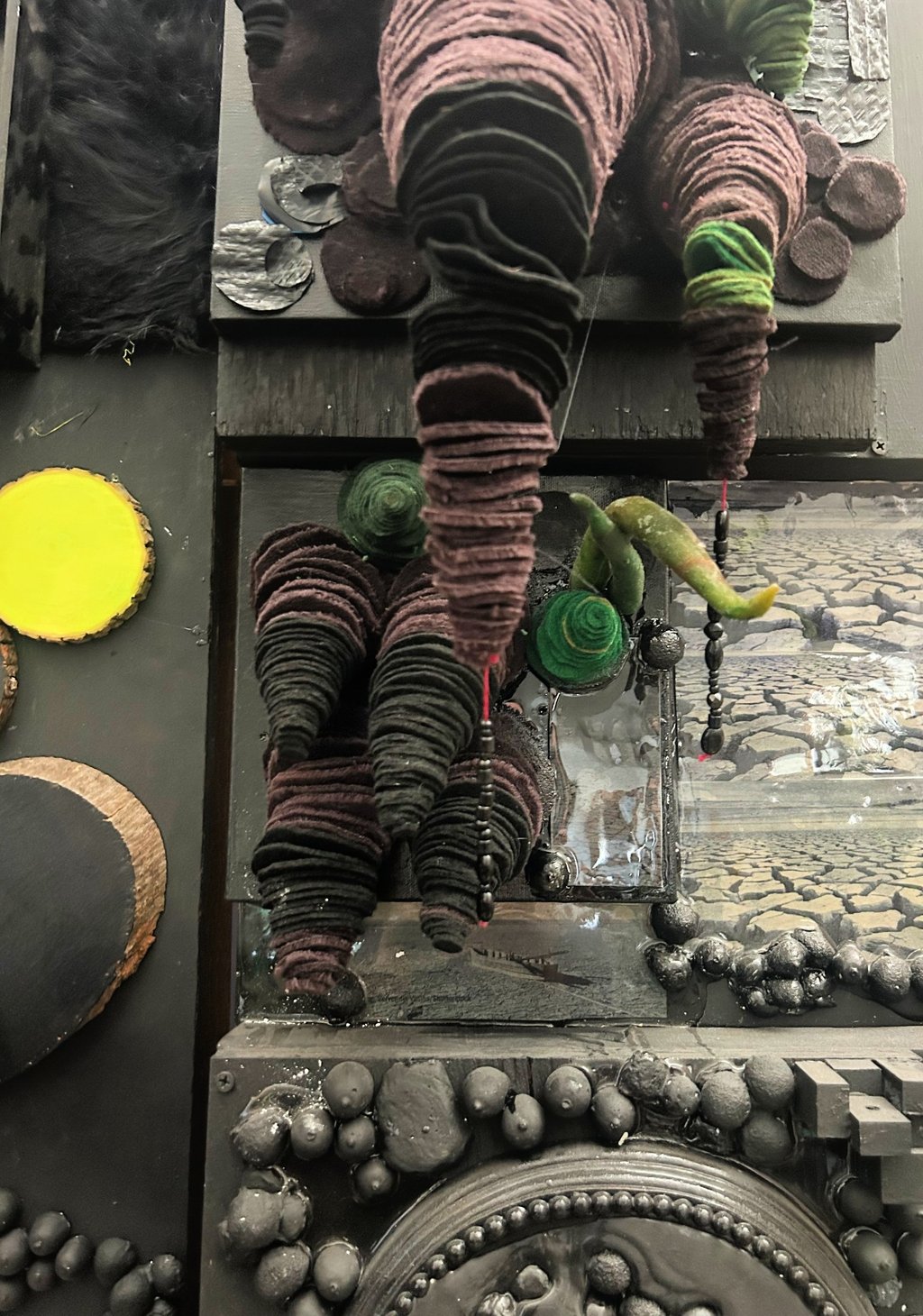
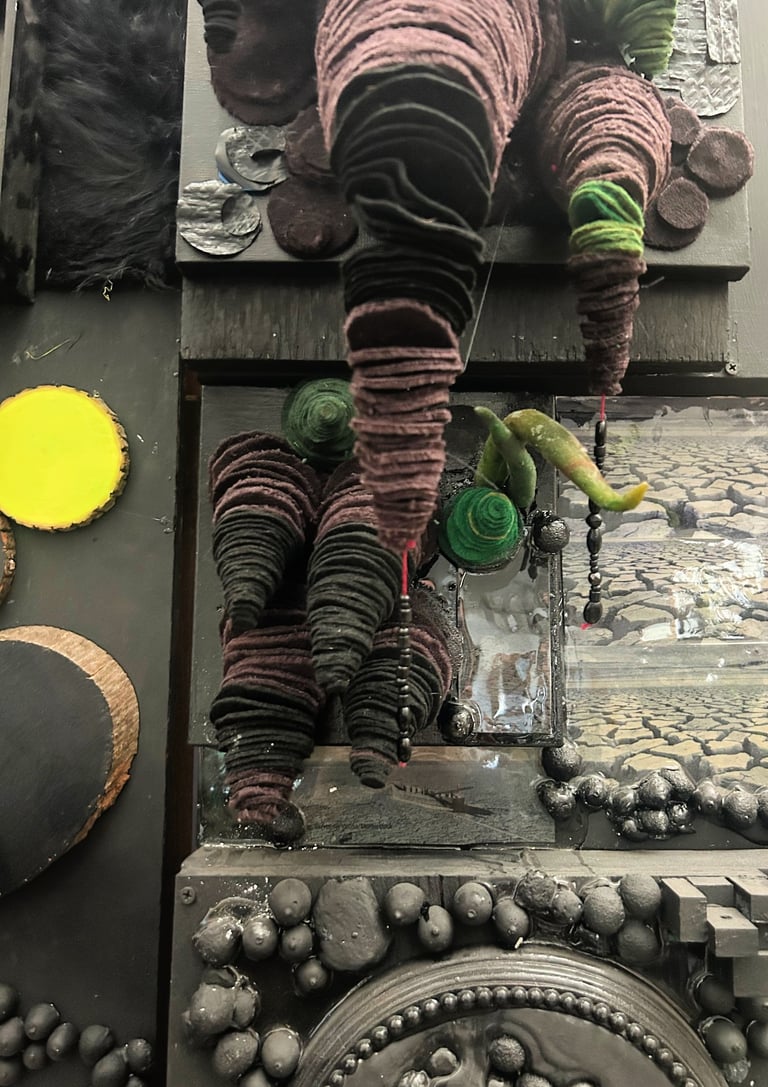
"The show contains the idea of cancer spreading, suddenly growing out of control, but also making something unexpected with that fear, like what you would see in the Alien series or Star Wars — strange creatures from across the galaxy…"
Mia Capodilupo is a sculptor and installation artist originally from Boston, Massachusetts. She received a BA from the University of Chicago, studied sculpture at the Massachusetts College of Art, and earned an MFA in Sculpture from the San Francisco Art Institute. She has participated in solo and group exhibitions, as well as residencies at museums, galleries, and alternative spaces throughout the United States and Europe. Capodilupo has received grants from the City of Chicago, the City of Urbana, Illinois, and the Illinois Arts Council. In 2014, she completed a large-scale public project for the City of Chicago and was commissioned to create semi-permanent installations for the Indianapolis Art Center and the cities of Atlanta, Georgia, and Bellevue, Washington.
Images courtesy of the artist.
Artist Conversation
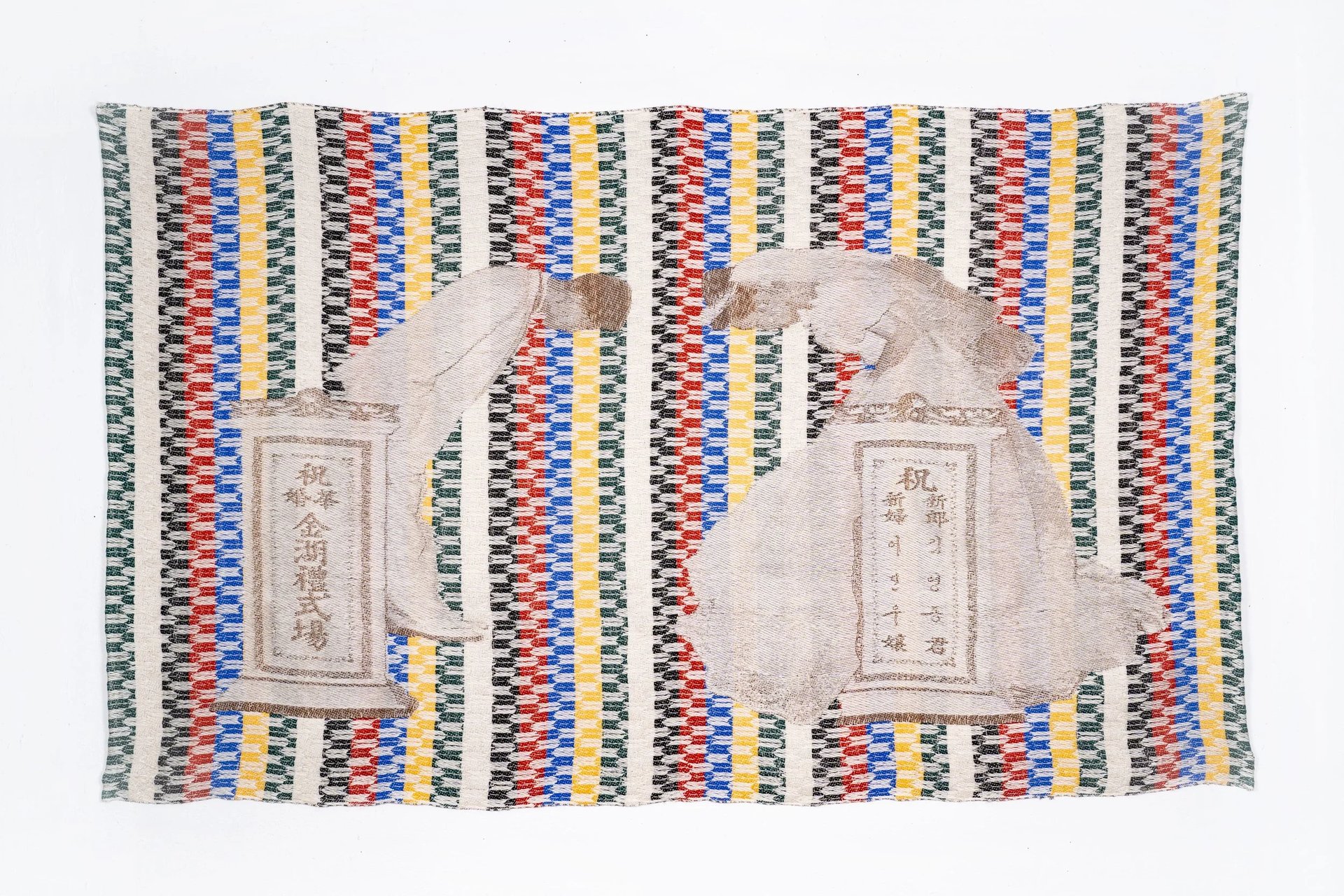
Cherin Kim: Exploring displacement, identity, and memory through imagery
© 2026. All rights reserved.

Viewing Hours by Appointment Only
Open First Friday of each month
(312) 690-9634
2623 W Chicago Ave, Chicago, IL
Viewing Hours by Appointment Only
Open Fridays 5-8pm
info@artcitychi.com
(312) 690-9634
1400 N Halsted St, Chicago, IL